Generate eMAG Shipping Labels With AI Control
· Vendwiser
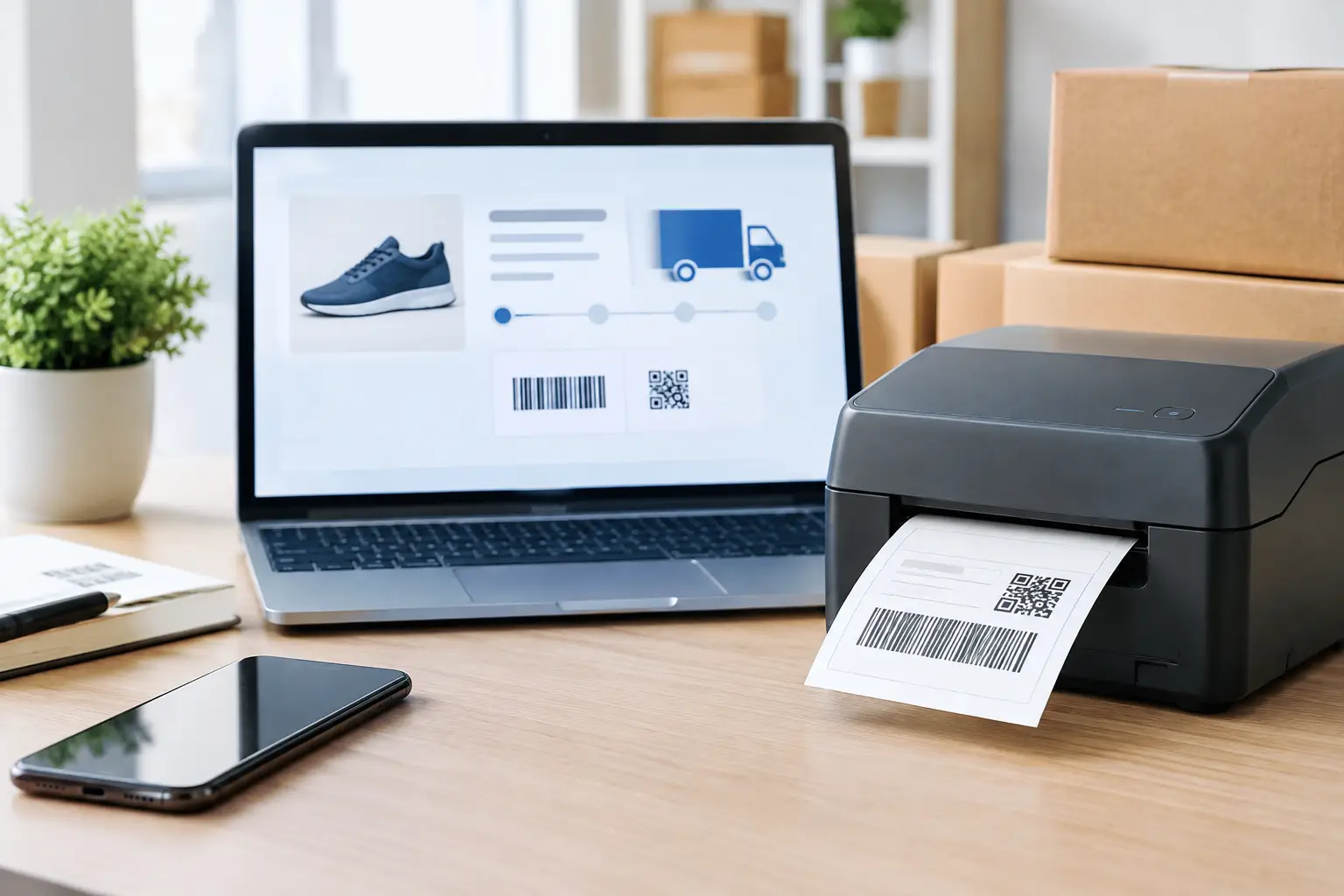
A shipping label is the last operational step before an order becomes a customer promise. If the address, fulfillment method, or package details are wrong, creating the label faster only helps the mistake move faster. The practical way to generate eMAG shipping labels with AI is to use AI to prepare and check the request, while keeping the final creation decision with the person responsible for fulfillment.
For eMAG sellers processing daily order volume, this matters because label work rarely happens in isolation. You may be checking new orders, validating stock, issuing invoices, answering customer messages, and resolving rejected offers in the same shift. A conversational assistant can reduce the back-and-forth between systems, but it should not remove the review step that protects your shipment process.
How to Generate eMAG Shipping Labels With AI
Start with a request that identifies the orders you want to handle. That could be a single order number, all eligible orders from today, or a defined fulfillment batch. The AI assistant should retrieve the relevant eMAG order information and present the details needed to decide whether a label can be created.
A useful response is not simply “label created.” It should show the order reference, recipient, delivery method, shipment status, and any condition that needs attention. For example, an order may be paid but still waiting for stock confirmation, or it may contain an address issue that requires a customer-service check before it leaves the warehouse.
Once the order is eligible, the assistant can prepare the label action. The merchant then reviews the proposed shipment details and chooses to approve or reject it. This distinction is small in interface terms but significant in operations: AI handles the retrieval and preparation work; the seller remains accountable for the physical shipment.
Ask for a batch, not a vague status update
The quality of the outcome depends on the request. “Handle my shipments” is too broad for a workflow that can create carrier documents. A better instruction defines the scope and condition, such as: “Show eMAG orders ready for shipping today” or “Prepare labels for these five confirmed orders.”
Batch processing can save substantial time, especially when orders use the same fulfillment path. It also needs boundaries. If one order in a batch has missing data, the system should flag that order rather than force the entire group through without review. Depending on warehouse capacity, you may approve the clean orders first and resolve exceptions separately.
That is where an AI assistant is most useful: it makes the queue visible in plain language and helps separate ready-to-ship orders from orders that require intervention.
Check the Data Before Creating an eMAG Label
A label is only as reliable as the information behind it. Before approval, confirm that the order is in the correct status and that its delivery details match what your team can fulfill. This check should be quick, but it should never be assumed away.
Review the recipient and delivery address, selected delivery method, package count where applicable, and the items assigned to the shipment. If your operation creates invoices before dispatch, also confirm that the invoice workflow is complete or that the order is ready for it. The right sequence varies by your internal process, but the data should agree across the order, invoice, and shipment records.
There are also cases where the right action is to stop. A customer may have requested an address change. A multi-item order may be incomplete. A product may have been oversold after an inventory mismatch. AI can identify these signals and surface them quickly, but it should not guess which commercial exception your business is willing to accept.
For teams with multiple marketplaces, this review has another benefit. It creates a consistent habit across eMAG, Trendyol, Kaufland, Allegro, and other channels: check the fulfillment facts, approve the action, then move to packing. The marketplace interface may differ, but the control point remains the same.
Keep Approval Separate From Preparation
The operational risk with unmanaged automation is not that it is always wrong. It is that a correct-looking action can occur at the wrong time. A label generated before a stock check is complete can create warehouse confusion. A label created for an order with an unresolved address can trigger avoidable carrier costs and customer contacts.
A controlled AI workflow separates preparation from execution. The assistant can find eligible orders, assemble the shipment context, and propose label creation. Nothing changes until the merchant approves it. If something looks wrong, reject the proposed action and correct the order before trying again.
Vendwiser follows this approach by keeping actions initiated through ChatGPT or Claude pending until the merchant explicitly approves or rejects them. That gives teams a faster route to routine eMAG tasks without turning logistics, catalog, or finance changes into unattended background activity.
This model also creates clarity for larger teams. A warehouse coordinator can review shipment readiness, while a manager can define the rules that determine when labels should be prepared. People do not need to share credentials or work from a collection of open marketplace tabs to understand what is waiting for action.
Handle Exceptions Where They Start
The fastest label workflow is not the one that hides exceptions. It is the one that identifies them early enough to fix them without rework. When a proposed eMAG label cannot be approved, the next step should be specific.
If the address is incomplete, check the customer conversation and request clarification. If an item is unavailable, verify whether a partial shipment is permitted by your process or whether the order needs a different resolution. If the shipping method does not match the package or destination, correct the underlying fulfillment setting before preparing a new label request.
Avoid treating the label screen as the place to solve every problem. The label is an output of the order process, not a substitute for order validation. Fix the source record, then regenerate the proposed action. That preserves an accurate trail and reduces the chance that the same issue appears again in a later batch.
Use clear prompts for repeatable fulfillment work
Conversational operations become more dependable when your team uses consistent requests. You do not need technical commands. You do need enough context for the assistant to find the right orders and prepare the right action.
Examples include: “Show me eMAG orders that are paid and ready to ship,” “Check this order before I create a shipping label,” and “Prepare eMAG labels for approved orders in today’s batch.” If you are working with a specific exception, say so: “Check whether this order has an address issue before preparing the label.”
These requests reduce ambiguity for both the assistant and the operator reviewing its response. They also make handoffs easier. A team member can see what was requested, what data was returned, and whether the next action was approved or rejected.
Measure the Workflow, Not Just Label Speed
Creating a label in seconds sounds useful, but fulfillment performance is better measured by the work around the label. Track how many orders require manual correction before approval, how often labels need to be voided or replaced, and where staff lose time moving between order, invoice, and marketplace tools.
If your exception rate is high, faster label generation may not be the priority. You may need better catalog data, clearer stock controls, or a more disciplined order-review process. If exceptions are low but your team still spends too much time switching tabs, conversational access to eMAG data can remove meaningful administrative friction.
The goal is not to make fulfillment automatic at any cost. It is to let your team ask, check, approve, and ship with fewer routine clicks and better visibility. When the approval step remains deliberate, AI becomes a practical shipping assistant that helps orders leave the warehouse with confidence.